оставить сообщение
Если вас заинтересовала наша продукция и вы хотите узнать более подробную информацию, пожалуйста, оставьте сообщение здесь, мы ответим вам как можно скорее.
представлять на рассмотрение
Основа удовлетворенности клиентов
баннер
Дом

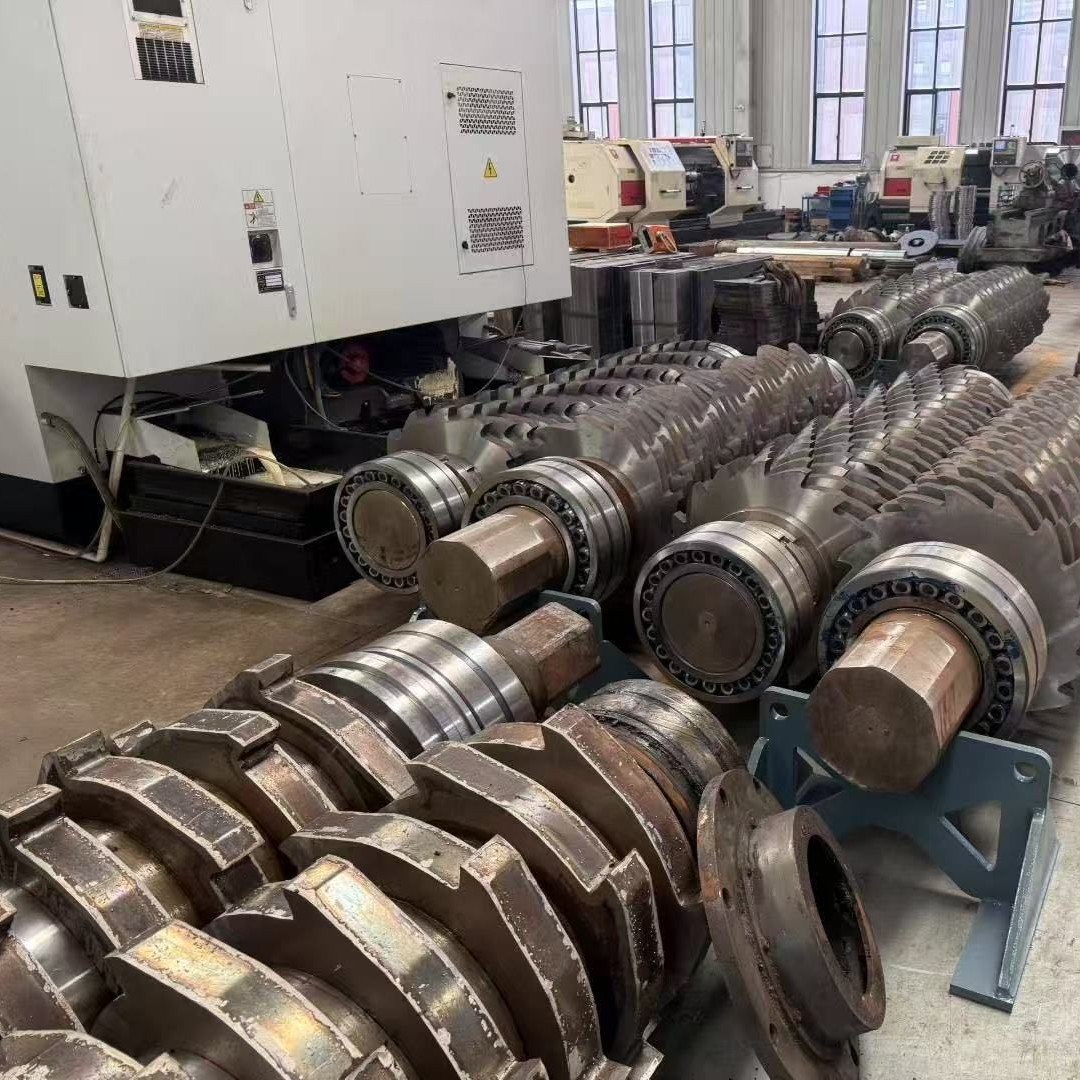
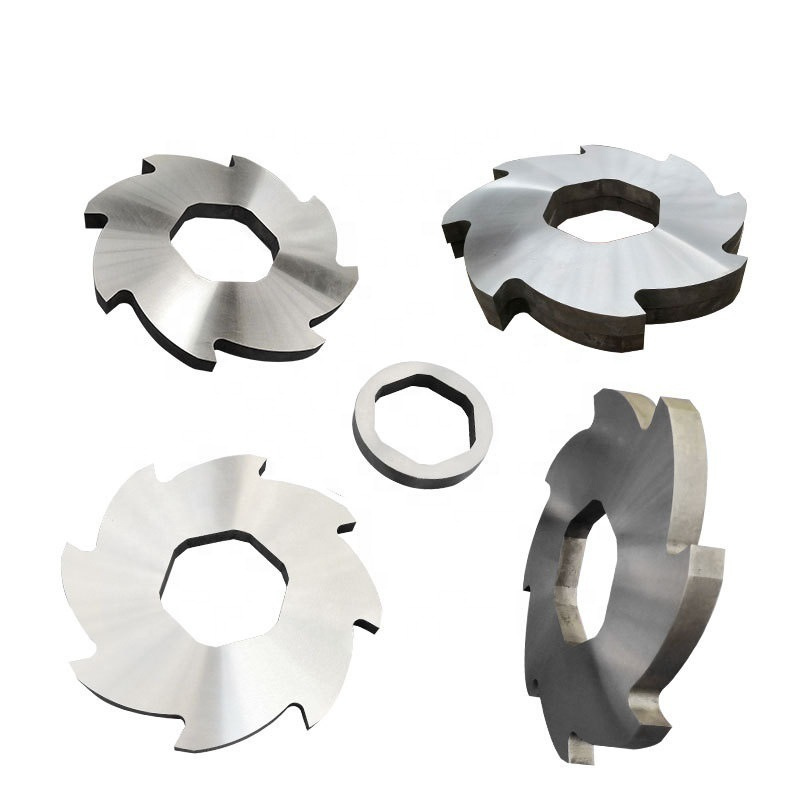
двухвальные лезвия измельчителя

двухвальные лезвия измельчителя

  • How to Maintain and Service the double shaft shredder blades
    Feb 28, 2026
      How to Maintain and Service the double shaft shredder blades: Daily Operation and Startup/Shutdown Procedures Before Startup: Ensure the cavity is free of foreign objects, check that the blade is securely fastened and well-lubricated, and confirm that the safety protection is in good condition. For new machines, immediately retighten the blade bolts 1 hour after startup. During operation, ensure materials are fed evenly. Avoid overloading. Do not add hard items such as metal. Monitor for unusual noises. Watch the current and output. Stop the operation immediately if you detect any abnormalities. After stopping, thoroughly clean leftover materials using a brush or compressed air to reach corners. Avoid harsh cleaners at all times. Cleaning and Lubrication Cleaning: Clear materials after each shutdown. Deep-clean the blade chamber and the blade every week. Remove adhered substances to prevent corrosion and damage to the blade edge. Lubrication: Once the blade is cleaned, apply anti-rust oil to prevent corrosion. Bearings, which are the rotating supports that reduce friction within the shredder, should be lubricated with lithium-based grease of NLGI 2 grade (the standard classification for grease thickness and hardness) every 100-500 hours. The reducer, a gearbox that slows the motor's speed to increase torque, should be filled with ISO VG 320 gear oil (an industry-standard viscosity grade) every 2000 hours, with oil temperature maintained at 45-80℃. Apply thread locking adhesive (a chemical that secures threaded fasteners) when tightening bolts. This prevents the bolts from loosening due to vibration or use.   Grinding Specifications: Use a dedicated grinding machine. For each grinding pass, do not exceed a 0.1mm stroke. Maintain the original blade angle. After grinding, check for and remove burrs, and ensure dynamic balance with an imbalance of within 0.5g·cm. Keep the imbalance within 0.5g·cm after removing burrs. Avoid using water cooling. Allow the blade to cool naturally to prevent cracking. Replace the blade if the width wear exceeds the allowed limit or if chipping is observed. Use both sides of double-sided blades. For thin material, set the gap to 0.8mm. Daily: Clear waste materials. Inspect blade damage and bolts. Listen for abnormal sounds. Check lubrication. Weekly: Deep clean. Sharpen dull blades. Check clearance and parallelism. Lubricate key areas. Monthly: Comprehensive inspection for wear, calibrate clearance, replace failed blades, thoroughly lubricate, and change oil (per schedule) New machine or major overhaul: Tighten blades 1 hour after startup. Complete comprehensive inspections and clearance calibration within 72 hours.  
    ЧИТАТЬ ДАЛЕЕ
  • Detailed Steps for Installing on Dual Shaft Shredder Blades
    Feb 25, 2026
    Detailed Steps for Installing on Dual Shaft Shredder Blades: 1. Safety Precautions   Turn off the power and lock it before starting. Put on cut-proof gloves and safety glasses. Get the needed tools: adjustable wrenches, thickness gauges, and rubber hammers. Clean the blade rod and nearby areas.   2. Installation Protocol   Examine the replacement blades for edge damage. Verify all positioning pins, retaining screws, and shaft threads show no deformation or wear.   Position the blades as outlined in the instructions. Clamp the blades firmly onto the shafts and align them with a uniform tooth-and-groove pattern. Tighten screws evenly to the specified torque (usually 80–120 N·m) using a crisscross pattern.   Gauge the gap with a thickness gauge: select 0.2–0.3 mm for hard items and 0.1–0.2 mm for soft ones. Ensure the gap remains constant; reset it if it exceeds 0.05 mm.   Rotate both rods by hand at least once. The blades must move smoothly and quietly—never stick, scrape, or resist—before proceeding.   3. Operational Validation and Commissioning   Run the machine without any load for three minutes at its usual speed. Watch that it stays steady: there should be no shaking, loud rubbing, or odd movements. Next, cut a sample of material under careful watch. Check that the finished size of the pieces meets the rules (for example, D90 must be less than or equal to the target level); only after this test should the machine be approved for normal work.   4. Critical Safety and Performance Notes   Never place gloved hands near rotating components—even during manual rotation.   Keep electrical power isolated until all fasteners are fully torqued, and you verify final clearance.   If the gap is not correct, blades will wear faster, get too hot, cut poorly, or cause jams in the material feed.
    ЧИТАТЬ ДАЛЕЕ
  • Какие факторы влияют на срок службы режущих инструментов в измельчителе?
    Aug 10, 2023
    В качестве важнейшего компонента измельчительная машинаСрок службы режущих инструментов — это не просто вопрос технического обслуживания; он оказывает существенное влияние на общую производительность и эффективность измельчительного оборудования. Более длительный срок службы режущих инструментов способствует сокращению времени простоя, повышению производительности и снижению затрат на техническое обслуживание.   Измельчитель — это универсальный инструмент, способный измельчать и раскроять широкий спектр материалов, включая полиэтиленовые трубы, пластиковые бутылки, древесину, отходы медной проволоки, пластиковые пленки, тканые мешки, бумагу, печатные платы, тонкие металлы, медицинские отходы, бывшую в употреблении бытовую технику и бытовые отходы. Он также используется в переработке транспортных средств и для обработки бытовых отходов.   Что касается применения, мы тщательно подбираем подходящие ножи для измельчительного оборудования в зависимости от типа перерабатываемых отходов. Что касается типов ножей, их также можно классифицировать по типу измельчителя следующим образом: одноосевые измельчительные лезвия, двухвальные лезвия измельчителятри ножа для измельчения с валами и четыре ножа для измельчения с валами. Итак, какие основные факторы влияют на срок службы режущих ножей в измельчителе? 1. Конструкция режущих ножей: включает в себя зазор между режущей кромкой, угол наклона инструмента и шероховатость поверхности режущей кромки ножа. 2. Сырье для режущих инструментов: выбор подходящего материала для различных видов измельчения. 3. Термическая обработка режущих инструментов: твердость лезвия, равномерность твердости на одной поверхности, подходящая твердость для различных видов измельчения. 4. Скорость вращения инструмента: то есть скорость измельчения инструмента относительно материала; 5. Сила измельчения режущего лезвия, которая является мощностью измельчительного оборудования.
    ЧИТАТЬ ДАЛЕЕ
Информация
Свяжитесь с нами
Если вас заинтересовала наша продукция и вы хотите узнать более подробную информацию, пожалуйста, оставьте сообщение здесь, мы ответим вам как можно скорее.
представлять на рассмотрение
Основа удовлетворенности клиентов

оставить сообщение

оставить сообщение
Если вас заинтересовала наша продукция и вы хотите узнать более подробную информацию, пожалуйста, оставьте сообщение здесь, мы ответим вам как можно скорее.
представлять на рассмотрение
СВЯЗАТЬСЯ С НАМИ: wen@aclshred.com

Дом

Продукты

Ватсап

СВЯЗАТЬСЯ С НАМИ